
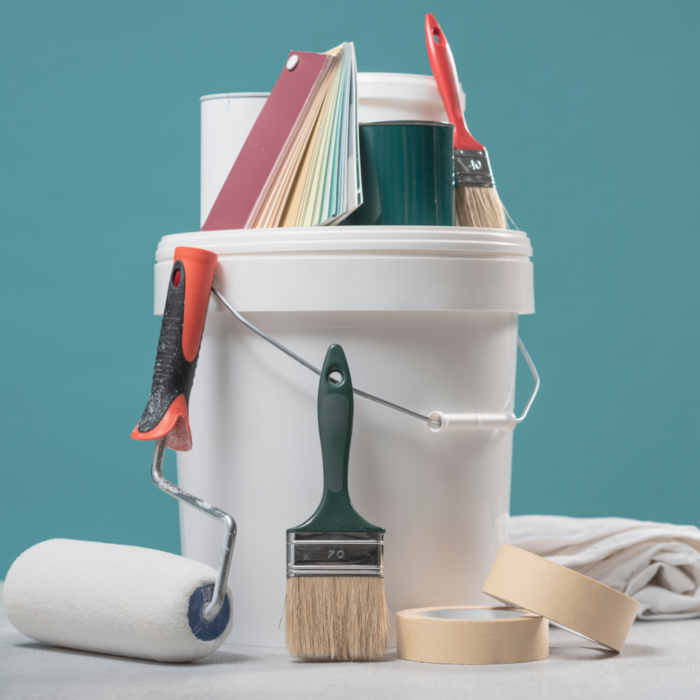

Painting a home, whether inside or out, can be a rewarding project, but extreme weather conditions can complicate the process. Hot, cold, or humid weather can affect paint application, drying time, and the final finish, making it essential to adapt your approach. This guide provides actionable tips to help you navigate these challenges and achieve a professional-looking result regardless of the weather.
Painting in Hot Weather
Hot weather accelerates paint drying, which may seem like an advantage, but it often leads to uneven application, blistering, and cracking. When the temperature soars, here’s what you need to consider:
Challenges of Painting in Heat
- Rapid Drying: Paint can dry too quickly, making blending and smooth application difficult.
- Surface Temperature: Direct sunlight can heat surfaces beyond the ambient temperature, causing issues like bubbling or peeling.
- Short Open Time: The time you have to spread paint evenly is reduced, increasing the risk of lap marks.

Tips for Painting in Hot Weather
- Paint Early or Late in the Day: Avoid painting during the hottest hours (usually 10 AM to 4 PM). Early mornings and evenings are ideal.
- Work in the Shade: Move around the house to stay out of direct sunlight or use temporary tarps.
- Choose Heat-Resistant Paints: Acrylic paints tend to perform better in hot weather as they resist blistering and cracking.
- Keep Tools Cool: Store brushes, rollers, and paint cans in a shaded area to prevent overheating.
- Stay Hydrated: If you’re painting outdoors, drink plenty of water and take breaks to avoid heat exhaustion.
Pro Tip
Use an extender or retarder additive to slow the drying process, allowing for smoother application and fewer lap marks.
Painting in Cold Weather
Cold weather poses its own set of challenges for painting projects. Paints are sensitive to low temperatures, which can affect adhesion, drying time, and durability.
Challenges of Painting in the Cold
- Thickened Paint: Low temperatures can make paint thicker, complicating application.
- Extended Drying Times: Paint takes longer to cure, increasing the risk of smudging or contamination.
- Poor Adhesion: Paint may fail to bond properly to cold surfaces, leading to peeling or cracking over time.
Tips for Painting in Cold Weather
- Follow Temperature Guidelines: Always check the label for the recommended temperature range. Most paints require a minimum of 50°F (10°C), though cold-weather formulas can work as low as 35°F (1.7°C).
- Use Cold-Weather Paints: Specialty paints designed for low temperatures are formulated to cure properly in the cold.
- Warm the Area: For indoor projects, use heaters to maintain a consistent temperature. Outdoors, warm the surface with a heat gun or wait for a sunny day.
- Prep Thoroughly: Remove frost, ice, or moisture from surfaces and ensure they are completely dry before painting.
- Extend Curing Time: Allow extra time for each coat to dry fully before applying the next layer.
Pro Tip
Store your paint indoors at room temperature before use. Cold paint straight from the shed or garage will be harder to apply and may not perform well.
Painting in Humid Conditions
High humidity creates a moist environment that interferes with paint drying and curing. It can also lead to problems like mildew, bubbling, and uneven finishes.

Challenges of Painting in Humidity
- Slow Drying: Excess moisture in the air slows the evaporation process, leaving paint tacky for longer.
- Condensation Issues: Moisture can form on the surface before or after painting, preventing proper adhesion.
- Increased Risk of Mold and Mildew: Paint that takes too long to dry becomes a breeding ground for mold and mildew.
Tips for Painting in Humid Conditions
- Monitor Humidity Levels: Aim for a relative humidity level below 50% when painting. If this isn’t possible, ensure it’s at least below 85%.
- Choose the Right Paint: Use mildew-resistant paints, especially for bathrooms, kitchens, or exterior walls in humid climates.
- Ventilate the Area: For indoor projects, use fans or dehumidifiers to improve airflow and speed up drying.
- Timing is Key: Paint during the cooler parts of the day when humidity is typically lower, such as early morning or late afternoon.
- Thin Coats Work Best: Apply thinner coats to prevent sagging or dripping due to excess moisture.
Recommended Products
Opt for paints with anti-microbial additives and moisture-resistant primers to ensure long-lasting results in humid conditions.
Bottom Line
Painting in extreme weather conditions requires extra care and the right tools. By understanding how heat, cold, and humidity affect paint application and drying, you can adjust your techniques and product choices to achieve a durable, high-quality finish.
Whether you’re battling summer’s heat, winter’s chill, or persistent humidity, the tips in this guide will help you conquer the elements and transform your space with confidence. Remember, preparation and patience are your best allies in any painting project.
Transform your home with the help of the experts at SA Classic Painting! Whether you’re facing extreme weather challenges or simply want a flawless, professional finish, our skilled team is here to bring your vision to life.
📞 Contact us today or visit saclassicpainting.com to schedule your consultation. Let us handle the details while you enjoy stunning results that last!
Before You Paint: Questions to Ask a Painting Contractor Nocatee FL
A new paint job will give your house a completely new look and feel; however, certain issues need to be addressed before selecting the right
Drywall Repair Before Painting: The Step Many Homeowners Forget
Finally, you are ready to paint your home. You select the perfect color and visualize how fresh and revitalized your rooms will look with the
A Trendy Color Guide with Exterior House Painter Ponte Vedra, FL
If houses could have personalities, then Ponte Vedra FL houses would be the kind of friend that owns linen shirts, drinks iced coffee year-round, and
Exterior Painters in St. Johns: What Really Saves Money?
It is something every homeowner has thought about. The day is nice, there is a special on paint at the hardware store, and before you
Why Drywall Repair Is Becoming a Priority Before Renovations
Improvements within a home are no longer limited to aesthetics; they must be made in a way that ensures they remain as such for a