
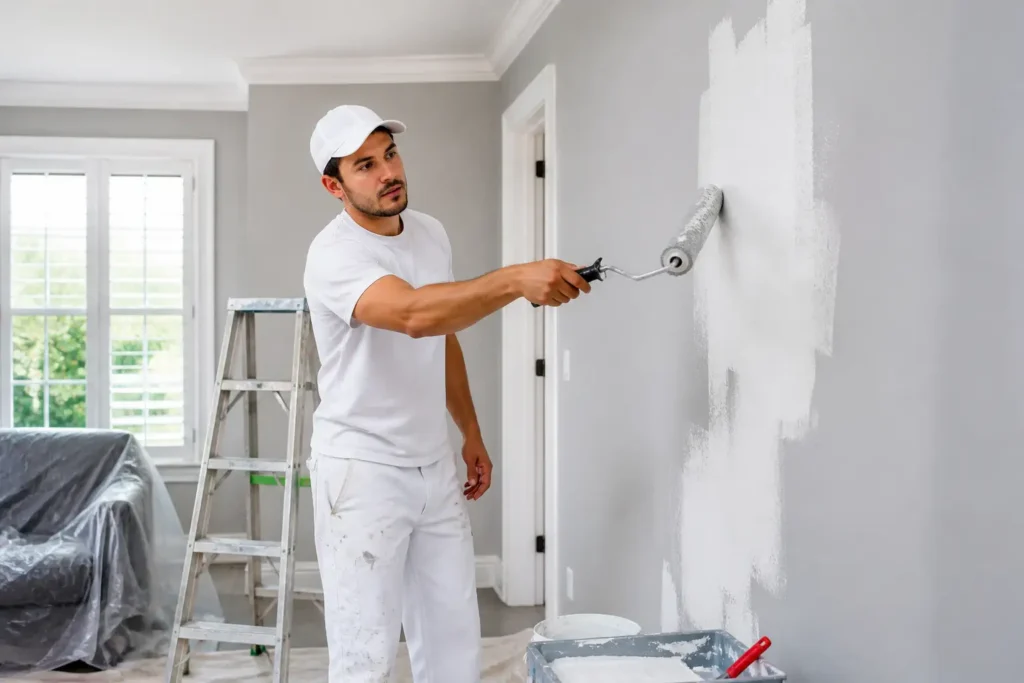
Paint does more than shape how a home looks—it also affects how it feels. In Jacksonville, where warm weather and humidity are common, the type and color of paint can influence indoor temperature. This is why experienced Jacksonville House Painters often consider climate and sun exposure when recommending paint options. Lighter shades tend to reflect heat, while darker tones absorb it, subtly changing how much warmth enters your living space.
This makes paint selection a practical decision rather than just a visual one.
How Do Paint Colors Affect Heat Absorption?
The impact of color is directly related to how surfaces interact with the sun and the indoor heating sources.
Light colors tend to:
- Reflect sunlight
- Keep rooms cool in the summer months
- Maintain room temperature
Dark colors tend to:
- Absorb heat
- Tend to keep rooms warm
- Require more cooling in tropical areas
This means that color can affect overall comfort and energy consumption.
Interior Paint Finishes and Their Impact
The paint’s finish influences temperature control, which plays a role beyond providing a visual aspect to the color. The surfaces of glossy and semi-gloss finishes reflect light, resulting in a slight decrease in heat absorption. Matte finishes, on the other hand, absorb more light, creating a warmer indoor atmosphere.
The initial difference appears minor, but it becomes noticeable over time in rooms exposed to direct sunlight for extended periods.
Why Exterior Paint Choices Matter Indoors
Indoor temperature is not only affected by interior walls. The exterior paint of a house determines how much heat enters the building. Sunlight-exposed surfaces create an inward heat transfer effect, which peaks during daytime hours.
This is where Exterior House Painters in Jacksonville, FL, consider more than just curb appeal. The team uses reflective and heat-resistant coatings to decrease exterior wall heat absorption, which results in lower indoor temperatures.
Does Paint Technology Help Regulate Temperature?
Modern paint options exist for functionality purposes. Some paints now include heat-reflective properties that improve a home’s ability to manage temperature.
These paints can:
- Reflect solar radiation more effectively
- Reduce heat transfer through walls
- Support more consistent indoor comfort
The materials improve overall home efficiency because they function as additional benefits rather than replacing insulation and cooling systems.
How Do Room Conditions Influence Paint Performance?
The most effective paint selection needs to consider the existing condition of the walls. Paint performance throughout time will be affected by future surface damage, existing cracks, and existing moisture problems.
Key factors include:
- Wall texture and smoothness
- Exposure to sunlight
- Ventilation within the room
Proper surface preparation is essential for paint to perform effectively in managing heat and maintaining comfort.
Making Smarter Paint Choices for Comfort
Paint decisions affect more than visual appearance because they determine the year-round comfort level of your home. Homeowners in Jacksonville can select better indoor conditions by understanding how colors, finishes, and exterior coatings work together with the local climate.
Professional work requires experienced professionals who will ensure proper execution of all tasks that include surface preparation for Drywall Repair. SA Classic Painting assists homeowners in selecting appropriate paint materials while they prepare surfaces, which will result in permanent and dependable outcomes.
Residents who want to improve their homes should carefully consider paint products because this will lead to better home comfort.