
Jacksonville homes are exposed to unusual weather scenarios. Throughout the year, heat, humidity, coastal moisture, and rain vary tremendously in how they interact with painted surfaces. All these elements can lead to paint fading, peeling, and loss of adhesion over time if the choice of materials and preparation is not consistent with the local climate.
A proficient painter in Jacksonville recognizes that paints and coatings used in moist areas should provide more than just a visual finish on the walls. An appropriate material selection, along with proper surface preparation and conducive weather for the application and curing of paint, is essential to ensure some durability.
Working in such a regime will ensure that the solution is paint-resistant to premature deterioration caused by local climatic conditions and to changes in appearance over time.
Why Humidity Affects Paint Performance
Humidity slows down the drying and curing of paint. When moisture levels are high, the paint may remain tacky much longer than anticipated and may not bond properly. In short, it invites a host of problems when applied hastily:
- Paint bubbling or blistering
- Peeling layers over time
- Uneven finishes on walls or siding
- Reduced the lifespan of the paint coating
In such environments, painters typically work around the weather to achieve an even paint finish.
Surface Preparation for Humid Environments
Surfaces must be clean, dry, and stable before paint is applied. Preparation becomes even more critical when moisture is part of the climate.
The common steps involved in preparation include the following:
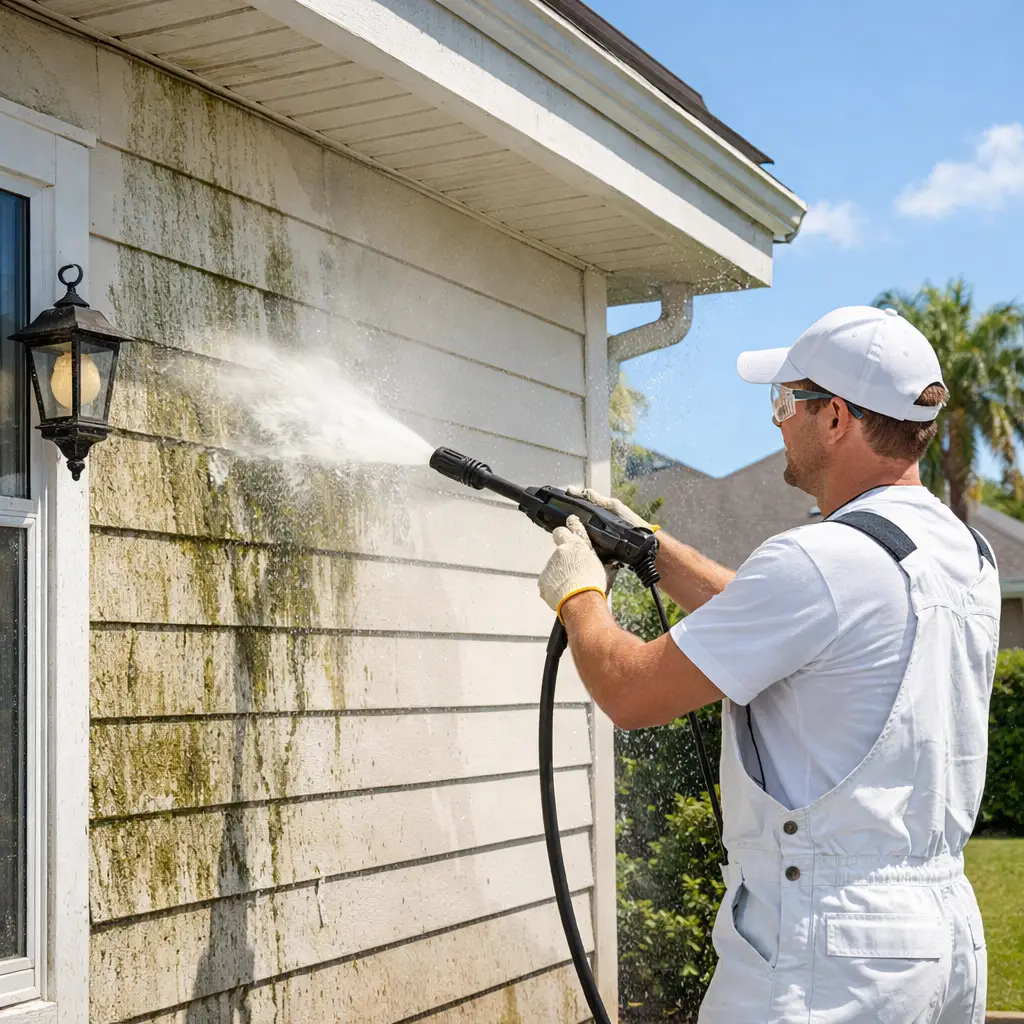
• Pressure washing to remove dirt and mildew
• Scraping away old or flaking paint
• Sanding rough areas for smooth application
• Sealing cracks where moisture may enter
To remove inconsistent drying surfaces on the exterior, follow these steps. Failure to do so could lead to adsorption into the paint film, creating a physical and chemical barrier and increasing the likelihood of paint film collapse.
Choosing Paint That Handles Moisture
It is important to note that different types of paints may perform differently in humid climates. Often, professional painters prefer to apply specialty coatings formulated for mildew- and moisture-prone areas.
Some of the characteristics of these paints include:
- Mold-resistant additives
- Flexible coatings that adapt to temperature changes
- Strong adhesion to exterior surfaces
- Durable finishes that resist fading
In such cases, most homeowners seek assistance from a painting company in Jacksonville to choose paints that suit the situation. Professional painters are aware of paints and coatings that retain their appeal even in high humidity or high heat.
Role of Weather Timing in Painting
Time also has a major impact on longevity. Painting in extremely high humidity can slow drying, leading to cracking or peeling.
Professional painters need to stay informed about the weather to select suitable days for their painting projects. Favorable weather, in turn, helps paint dry enough to adhere very well to the surface.
Hence, this planned timing helps improve the life expectancy of paints both inside and out.
The Lasting Impact of Climate-Aware Painting
Maintaining paint longevity in moist conditions requires an understanding of how environmental factors influence surfaces and materials. Long-lasting finishes depend on a careful approach, choosing appropriate paint, and proper timing to ensure quality results.
Working with skilled professionals when considering Painting in Jacksonville, FL, makes a significant difference in paint performance over the long term.
SA Classic Painting supports home occupants in overcoming environmental factors by performing various activities, such as preparing the walls and using materials that correspond to the climate.
If you are considering a painting project in your home, you can get in touch with the team to discuss options to achieve the best finish that lasts longer.