
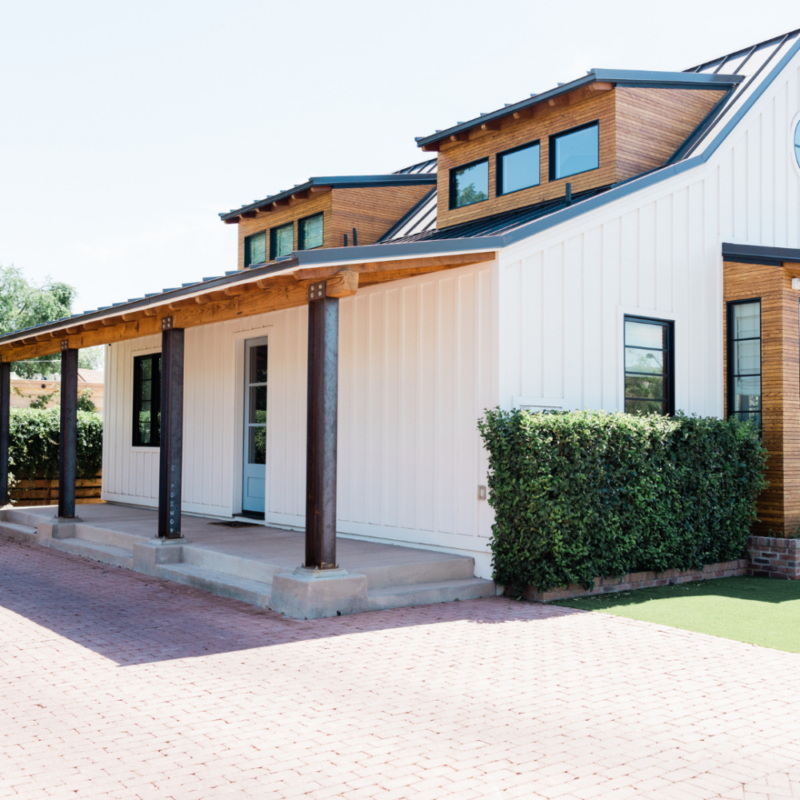

When it comes to boosting curb appeal, few projects offer as much impact as a fresh coat of paint on your home’s exterior. However, exterior painting is not as simple as slapping on a few coats of color. It requires preparation, the right materials, and proper techniques to ensure a long-lasting and professional finish.
This guide covers the essential do’s and don’ts of exterior painting, helping homeowners avoid common pitfalls while achieving stunning results.
The Do’s of Exterior Painting
1. Do Plan According to the Weather
Weather conditions play a significant role in the success of an exterior paint job. Choose a time of year when temperatures are mild (between 50-85°F) and humidity levels are low. Avoid painting on extremely hot days, as the paint may dry too quickly, leading to cracks and uneven finishes.
2. Do Thorough Surface Preparation
Proper preparation ensures that your paint adheres well and lasts longer. Follow these key steps:
- Clean the Surface: Use a pressure washer or scrub with a mixture of water and mild detergent to remove dirt, mildew, and debris.
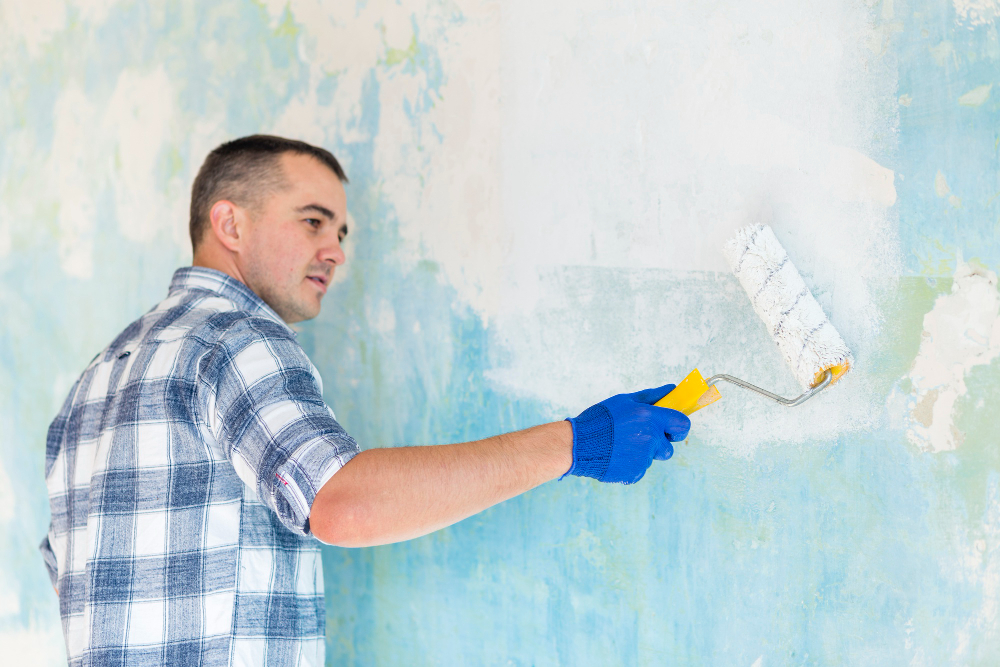
- Scrape and Sand: Remove peeling or loose paint using a scraper and sand down rough areas to create a smooth base.
- Repair Damage: Fill any cracks or holes with exterior-grade filler and allow it to dry before sanding it smooth.
3. Do Use High-Quality Paint and Primer
Investing in premium exterior paint and primer can make a significant difference in durability and appearance. Look for paints labeled as “weather-resistant” or “fade-resistant.” A good primer helps with adhesion, especially on bare wood, metal, or previously chalky surfaces.
4. Do Use the Right Tools and Equipment
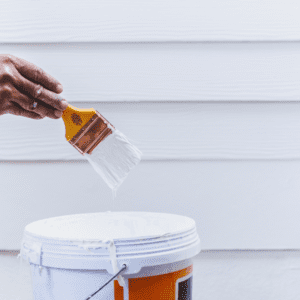
For a professional-quality finish, use high-quality brushes, rollers, and sprayers.
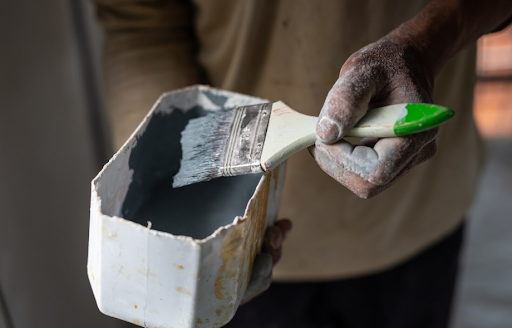
- Synthetic-bristle brushes work best for latex-based paints.
- Natural-bristle brushes are ideal for oil-based paints.
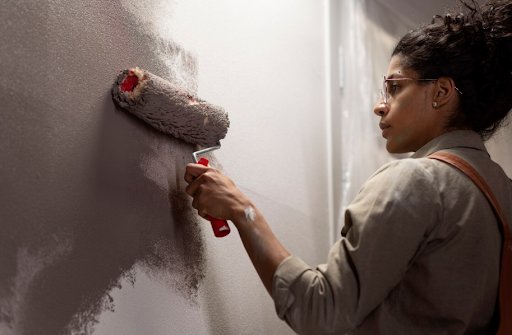
- Rollers with a thicker nap help cover textured surfaces more effectively.
5. Do Apply Multiple Thin Coats
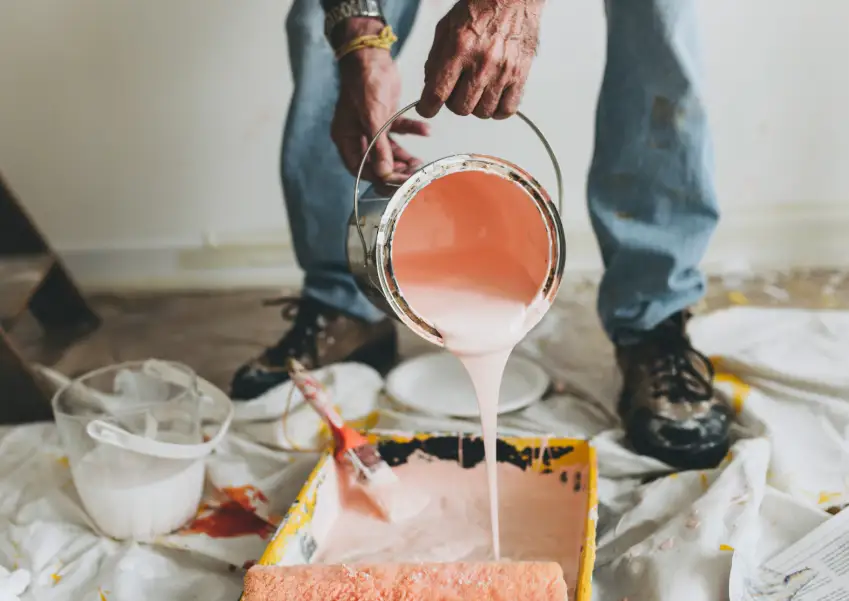
Instead of applying one thick coat, which can lead to drips and an uneven finish, apply two or more thin coats. Allow each coat to dry completely before applying the next for a smoother and more even appearance.
6. Do Protect Surrounding Areas
Use drop cloths, painter’s tape, and plastic sheeting to protect windows, doors, landscaping, and other surfaces that you don’t want painted.
7. Do Follow Safety Precautions
- Use a sturdy ladder and ensure it’s placed on even ground.
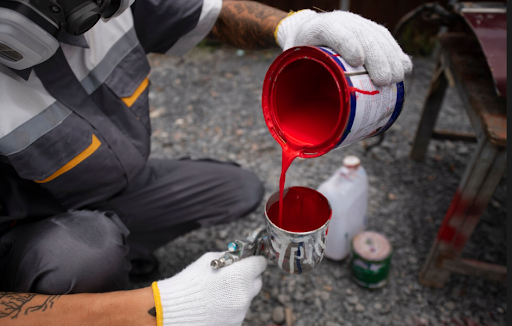
- Wear protective gear, including safety goggles, gloves, and a mask, especially if working with lead-based paint.
- Work in a well-ventilated area and take breaks when needed.
The Don’ts of Exterior Painting
1. Don’t Skip the Primer
Many DIYers assume they can paint directly onto the surface without priming first. However, primer enhances adhesion, prevents stains from bleeding through, and helps achieve a uniform finish. Skipping this step can lead to peeling and uneven coverage.
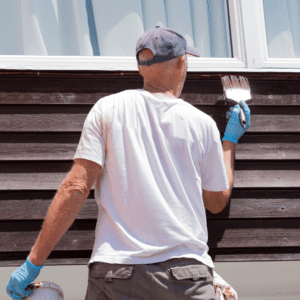
2. Don’t Paint Over Dirty or Damp Surfaces
Painting over a dirty or damp surface traps moisture underneath, leading to premature peeling and mold growth. Always ensure the surface is clean and completely dry before starting.
3. Don’t Use the Wrong Type of Paint
Selecting the wrong type of paint can result in poor adhesion and faster deterioration.
- Latex paint is best for most exteriors due to its flexibility and resistance to cracking.
- Oil-based paint offers durability and a smooth finish but takes longer to dry.
4. Don’t Ignore Proper Drying Times
Rushing the drying process can ruin your hard work. Follow the manufacturer’s recommendations for drying times between coats. If rain is in the forecast within 24 hours, postpone your project to avoid streaking or wash-off.
5. Don’t Paint in Direct Sunlight or Windy Conditions
Painting in direct sunlight can cause the paint to dry too quickly, leading to brush marks and uneven texture. Windy conditions can blow dust and debris onto the wet paint, compromising the finish. Choose a shaded time of day for painting.
6. Don’t Forget to Maintain Your Painted Exterior
A good paint job requires upkeep. Regularly inspect for cracks, peeling, or mildew, and touch up any areas as needed to extend the life of your paint job.
Common Problems and How to Fix Them
Problem: Paint Peeling Prematurely
Cause: Poor surface preparation, painting over moisture, or using incompatible paint types. Solution: Scrape off the peeling paint, sand the surface, prime it properly, and repaint using high-quality exterior paint.
Problem: Uneven Paint Coverage
Cause: Not using enough paint, skipping primer, or failing to mix the paint thoroughly. Solution: Apply a second coat, ensure even strokes with the roller or brush, and always mix paint well before use.
Problem: Paint Bubbling or Blistering
Cause: Trapped moisture, painting in direct sunlight, or applying paint too thickly. Solution: Allow the surface to dry completely, scrape off blisters, sand, prime, and repaint in optimal conditions.
Problem: Streaks or Drips in the Finish
Cause: Overloading the brush or roller, applying paint too quickly, or painting in humid conditions. Solution: Sand down the affected area, wipe it clean, and apply a new, thin coat of paint.
Final Thoughts
Exterior painting is a rewarding home improvement project that enhances both aesthetics and protection against the elements. By following these do’s and don’ts, you can achieve a long-lasting, professional-quality paint job that adds value to your home.
Take your time, use high-quality materials, and pay attention to the details—your home will thank you for it!
Ready to give your home a fresh new look? Let the experts at SA Classic Painting handle your exterior painting project with precision and care. With years of experience and a commitment to quality, we ensure a flawless, long-lasting finish.
Call us today for a free consultation.
The Homeowner’s Seasonal Calendar for Exterior House Painting
Your house changes with the weather, even when you barely notice it. The color on the sunny side slowly softens. A little dirt settles along
Affordable House Painting vs. Cheap Painting: Know the Difference
Nobody minds saving money on a home project. In fact, seeing a pleasantly low painting quote can feel like a small victory. The trouble starts
Tips for Finding the Best Painter in Ponte Vedra, FL
The best painter is not always the one with the biggest ad, the longest list of promises, or the fastest available appointment. When you invite
Why does a Painter in St. Johns, FL, suggest Repainting Before Fall?
By late summer, you know your house a little too well. You know which wall gets the afternoon sun, which part of the trim always
Before You Paint: Questions to Ask a Painting Contractor Nocatee FL
A new paint job will give your house a completely new look and feel; however, certain issues need to be addressed before selecting the right